
Quietly Brillant People: Media
I am available for press comment, interviews and byline articles.
Contact me on [email protected] or 07736160225.
Radio
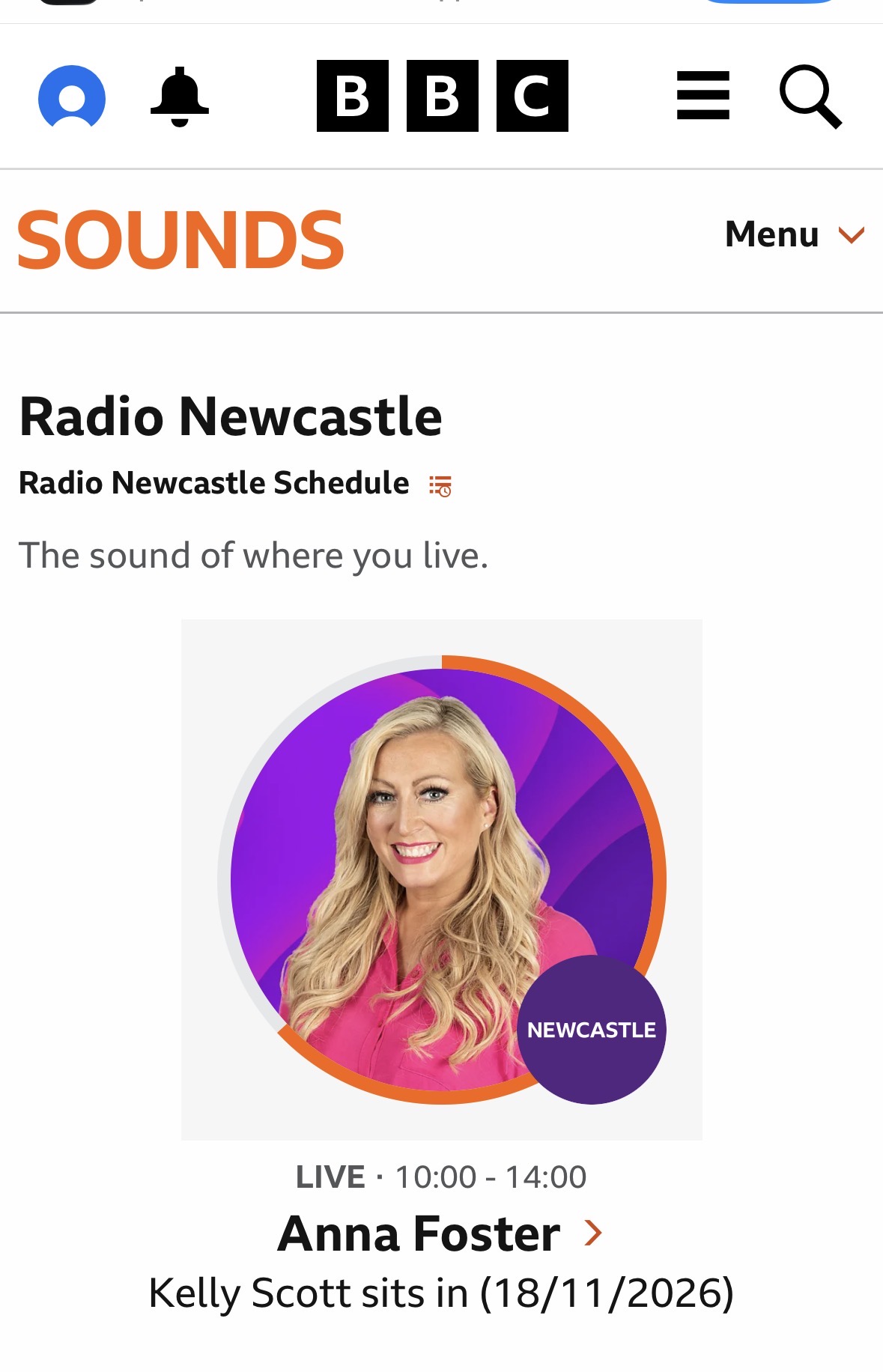
BBC Radio Newcastle | How parents can support young people looking for work
Following the publication of the Milburn review, I joined Kelly Scott on BBC Radio Newcastle to talk about how parents can support young adults looking for work. The job search has changed, and some of the advice that helped us build our own careers may be less useful to young people starting out today.
Parents know what lights their young people up and when they’re at their best. When applications bring rejection after rejection or no reply at all, parents can help them put their strengths into words and remind them what they have to offer.
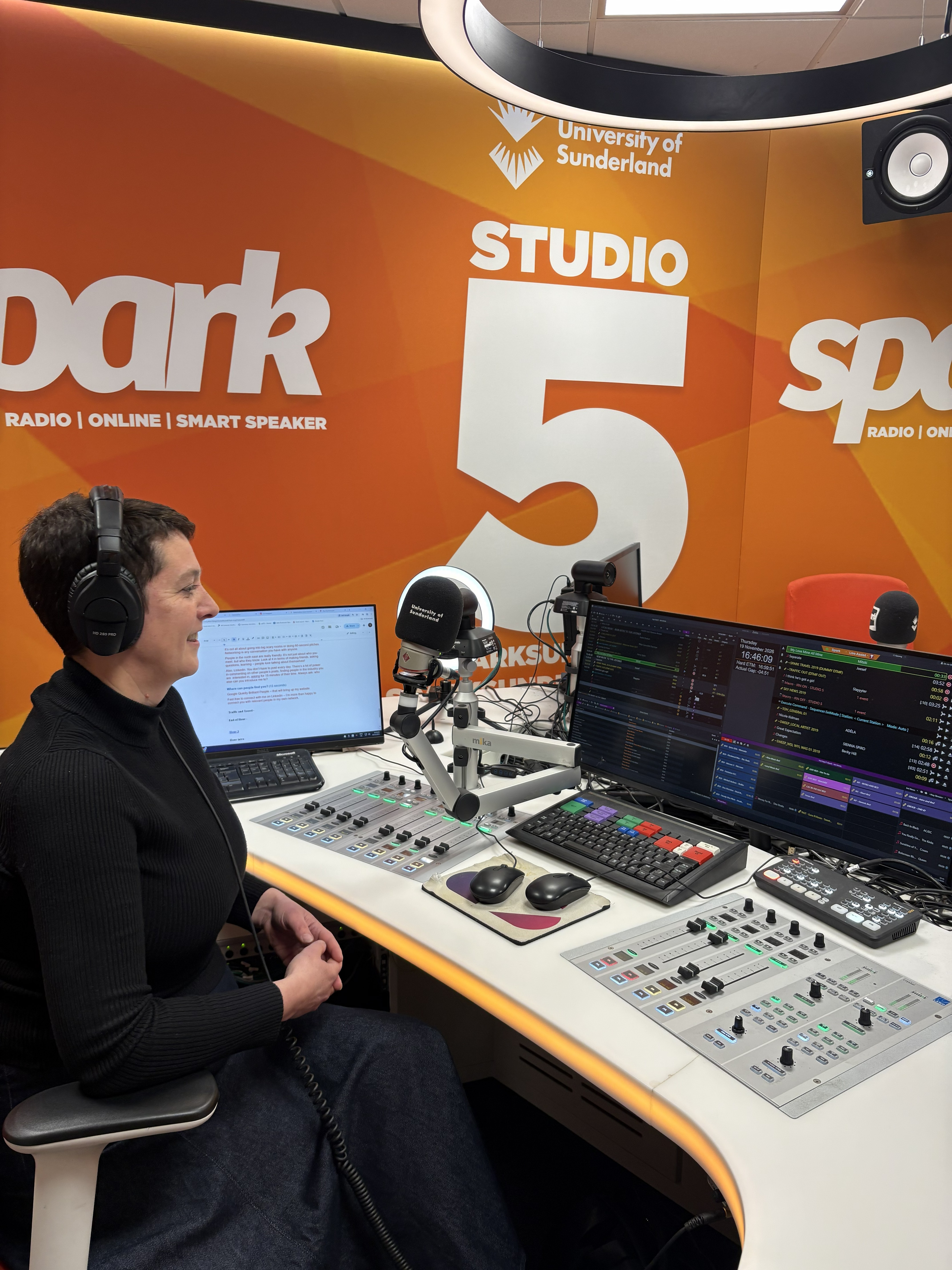
Spark Sunderland | Looking for work when you’re just starting out
In my first radio interview with my daughter, Imogen Noon, we talked about the Milburn review and what looking for work feels like when you’re just starting out.
We drew on our own experience of moving to the North East without knowing anyone as we talked about building connections as an introvert, selling yourself when you hate selling yourself, and finding the words for what you’re good at.
Looking for work can feel all-consuming. You’re allowed to have a life whilst it’s happening and the things you do because you love them can give you some of the best examples of what you’d bring to a job.
🎧 Listen on Spark Sunderland from 1:30:00 (90 minutes into the show).
PRESS COMMENT
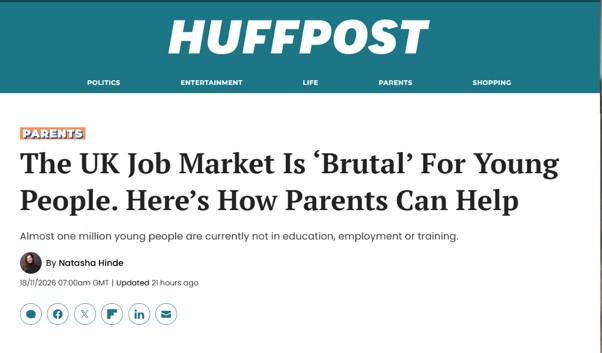
HuffPost UK | Five ways parents can support young people looking for work
I spoke to HuffPost UK about why parents may need to unlearn some of the career advice that worked for them. I shared practical ways to help young people recognise their strengths, gather examples of what they can do from volunteering, clubs or work experience, and hold on to their confidence when applications go unanswered.
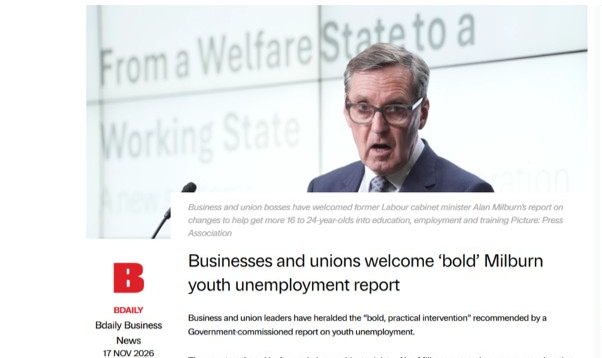
Bdaily | Getting young people into work is one thing. Helping them thrive and stay there is another.
In my comment for Bdaily on the Alan Milburn review, I asked what happens once young people are through the door. Managers need the time, tools and training to set clear expectations, communicate accessibly and give young people with different ways of thinking and working a chance to show what they can do. That’s how employers can help young people build confidence and stay in work.
Bylines

Aldrich & Co| How do you figure out what you want to do?
In this guest article, I explore how to plan your next career move by looking at what you’re good at and which of those things you actually enjoy. That might mean finding room for more of that work in the job you already have or trying out a new direction in small steps before making a bigger decision.
Read the article on the Aldrich & Co website
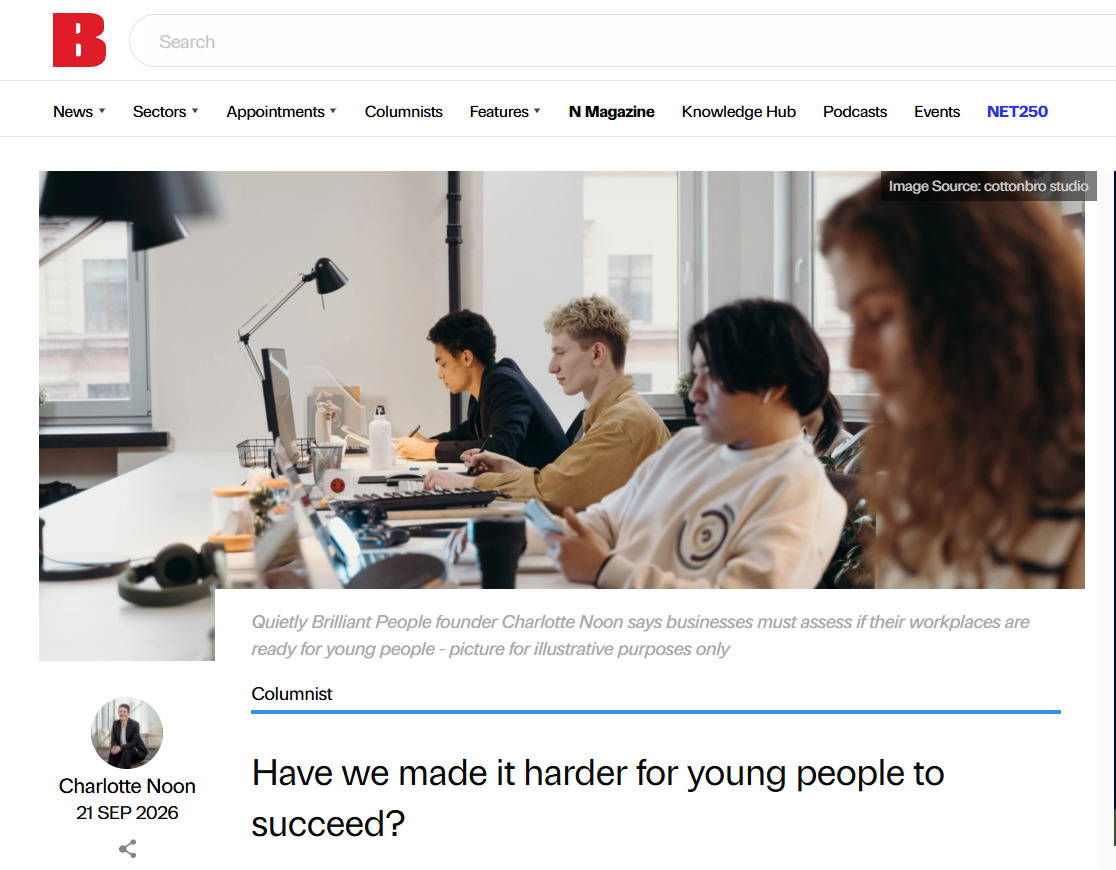
Bdaily | Have we made it harder for young people to succeed?
In this article for Bdaily, I draw on my experience as a teacher and coach to ask whether we recognise the resilience young people already show. Following Professor Peter Fonagy’s challenge to the ‘snowflake’ label, I explore how narrow ideas about confidence and success can add to the pressures young people face, and what employers can do to create the conditions for more of them to succeed.

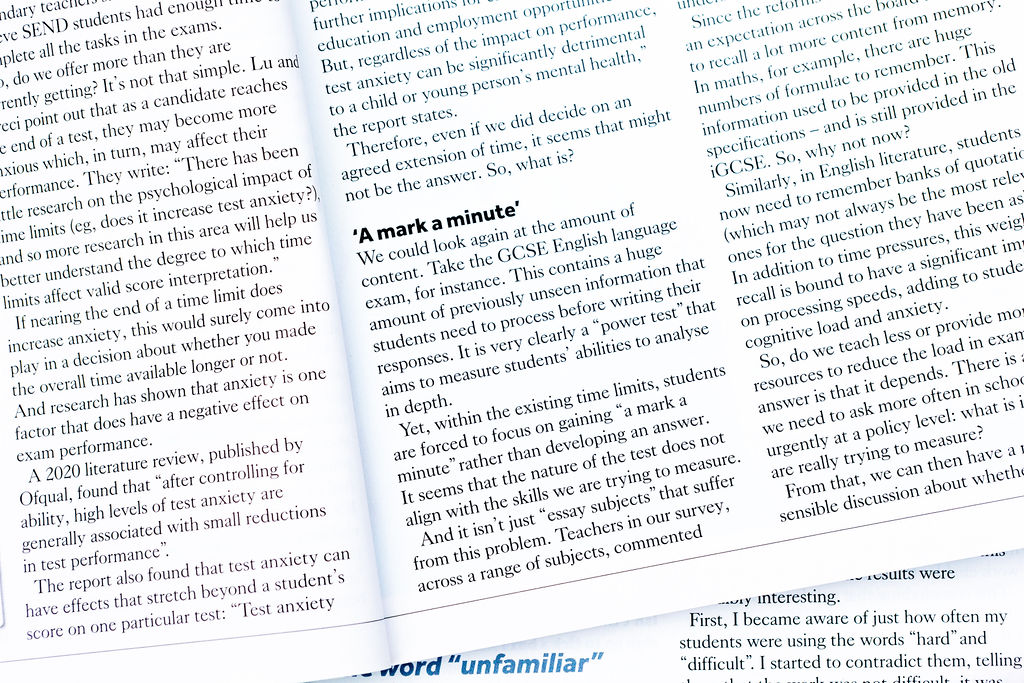
Tes | Why the need for speed?
In this feature, co-written with my husband, Martin Noon, we asked whether timed exams give pupils a fair chance to show what they know. Teachers we surveyed questioned whether the time limits gave pupils enough room to think deeply and produce their best work. We explored what young people stand to lose when their next steps depend on how quickly they can demonstrate what they know.
We discussed our findings on the TES podcast.

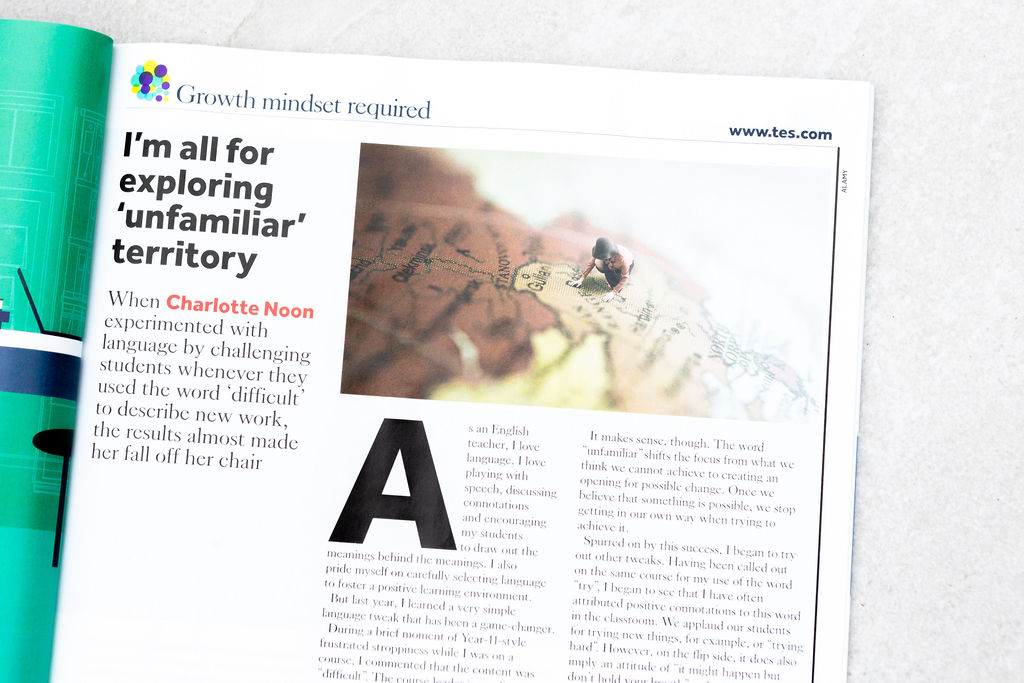
Tes | I’m all for exploring 'unfamiliar' territory
In this growth mindset column, I draw on my experience as an English teacher to show how small changes in classroom language can help pupils approach a task with more confidence. Calling a task ‘unfamiliar’ gives pupils a reason to explore it, while listening for words like ‘try’ can help teachers pick up on self-doubt.
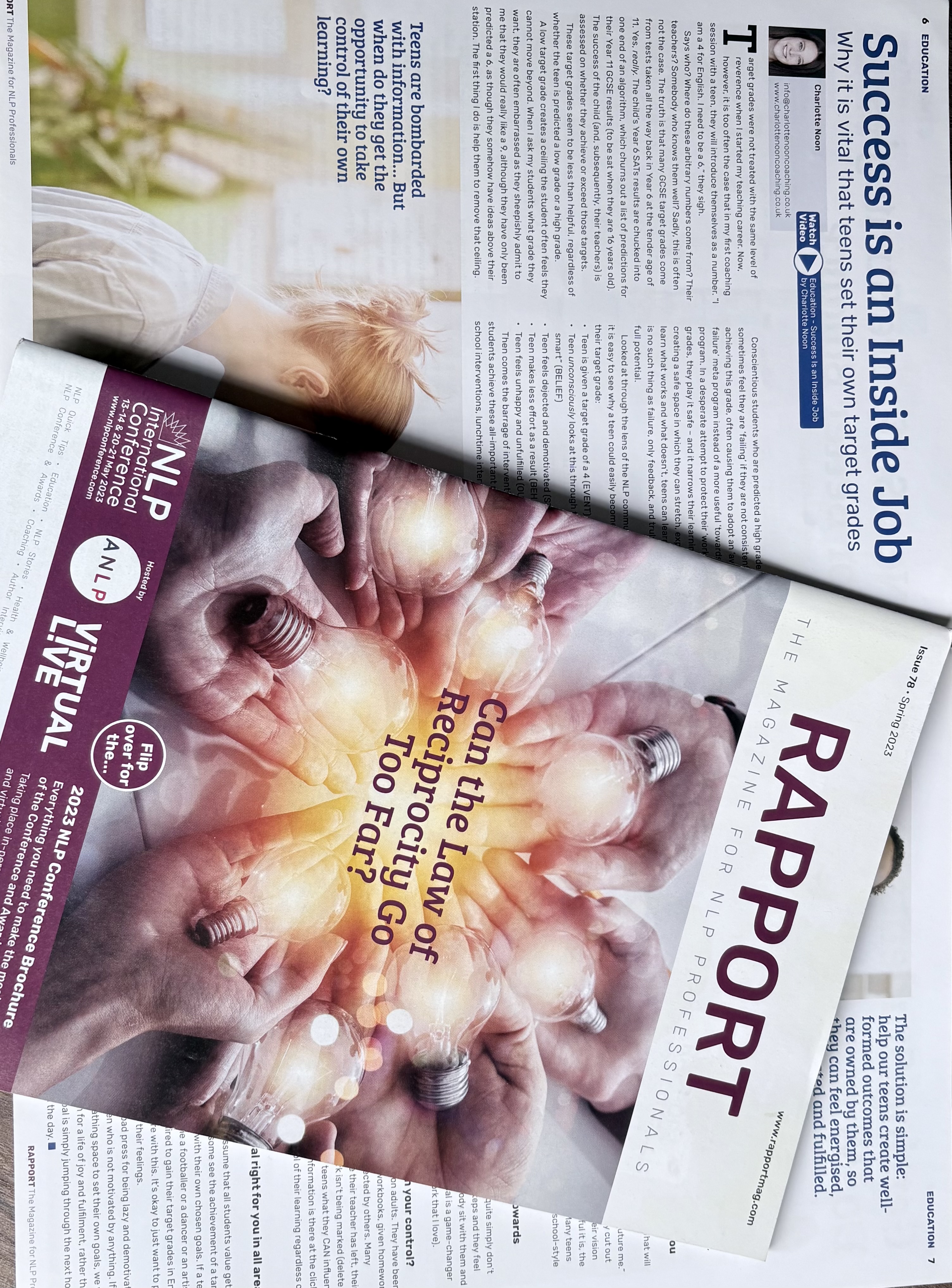
Rapport Magazine | Success is an inside job: why it’s vital that teens set their own target grades
In this article, I draw on my experience as a teacher and coach to explore how easily a predicted grade can become a ceiling. When I ask teenagers what grade they’d like to aim for, some are embarrassed to say it out loud. I explain why giving them a say in setting their own targets can help them see what might be possible and take ownership of their learning.
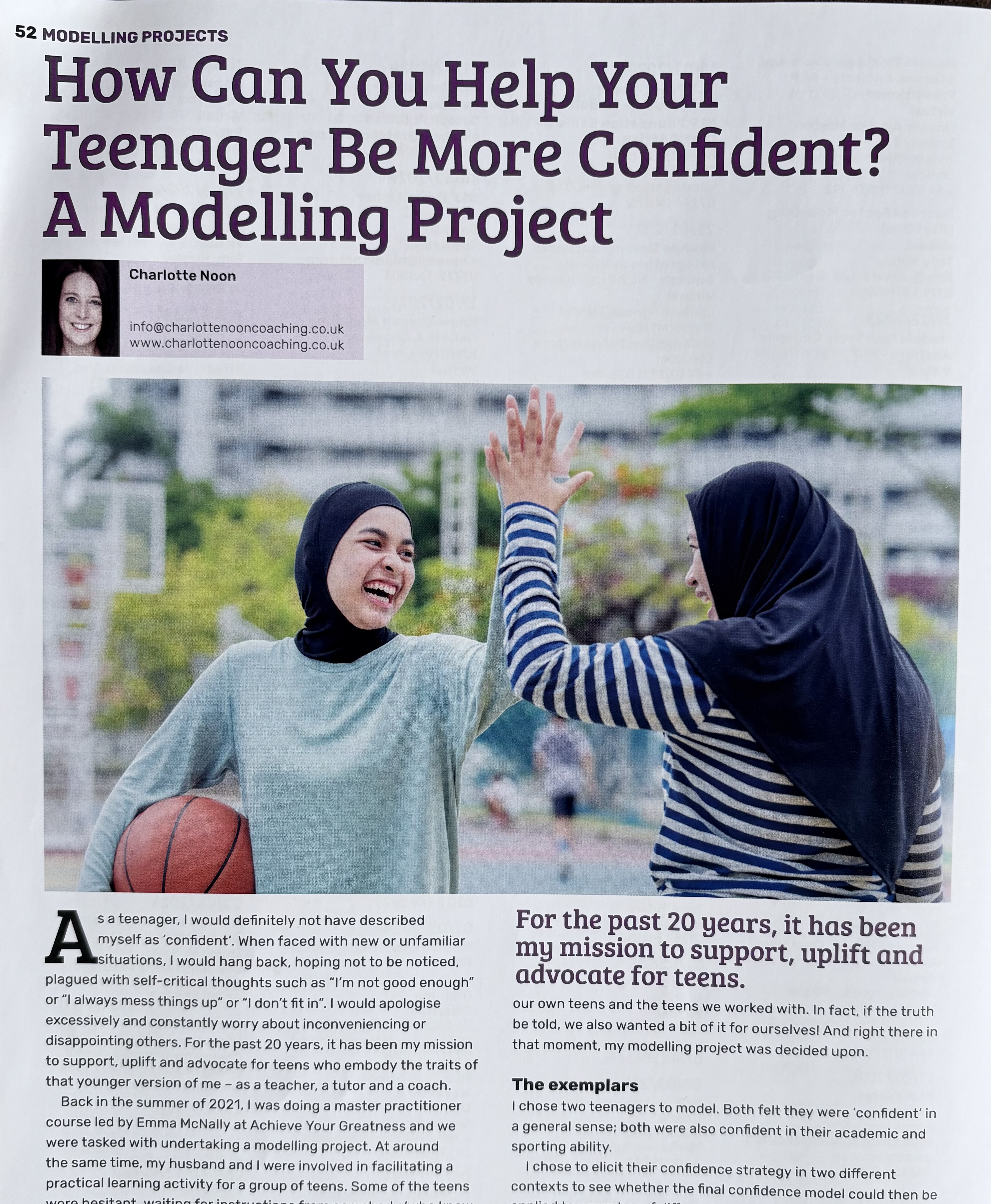
Rapport Magazine | How can you help your teenager be more confident?
What do confident teenagers do when they don’t know what to do? In this article, I share what sparked my NLP modelling project. During a practical group activity, I noticed how some teenagers offered ideas, listened to others and changed tack when they got stuck. I wanted to understand what helped them trust their own judgement and what we could pass on to teenagers who tend to hang back.
Quietly Brilliant: Organisations
Capable young employees?
Unexpected management challenges?
Help your managers build confident, independent employees who communicate effectively, take ownership and contribute sooner.
Quietly Brilliant: PROFESSIONALS
Good at your job but not getting noticed?
Recognise your strengths, communicate your value and progress without becoming someone you're not.
Quietly Brilliant:
Young People
Not sure what you're good at or where you're heading?
Discover your strengths, explore your options and make confident decisions about what comes next.

[email protected] | 07736160225
